

Meera E. Deo
LSSSE Director
The Honorable Vaino Spencer Professor of Law
Southwestern Law School

Students tend to be the central focus of research involving law school. Two populations that are also critical to legal education are therefore often overlooked: faculty and staff. In 2024, LSSSE received a grant to expand the work of the project beyond students to study the experiences of law faculty and student-facing staff in the Study on the Engagement of Law Faculty and Staff (SELFS). Previous posts in the LSSSE Insights Blog have introduced the SELFS Study and shared preliminary findings from the staff survey. Here, we examine a few aggregate findings from data gathered in spring 2025 from over 500 law professors at 20 U.S. law schools who participated in the first administration of the SELFS faculty study. The second survey administration (spring 2026) concludes this month and will be aggregated with the first in future reporting of SELFS data.
Workload
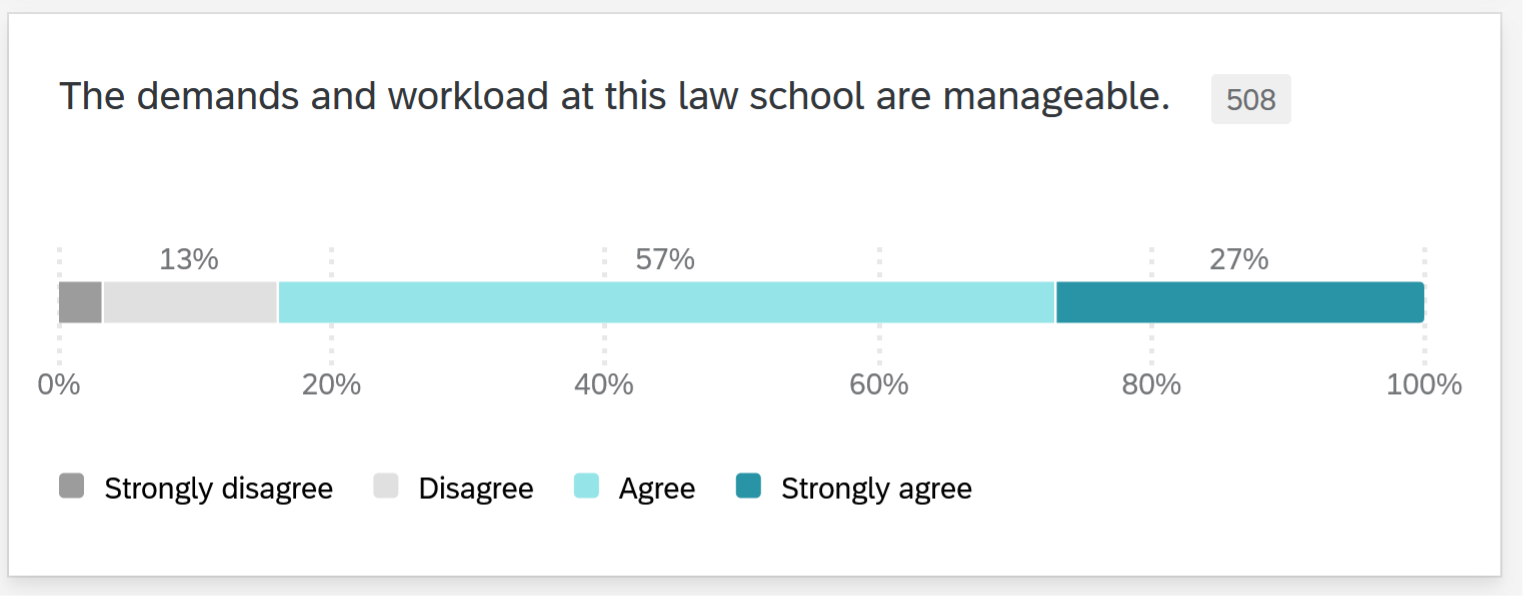
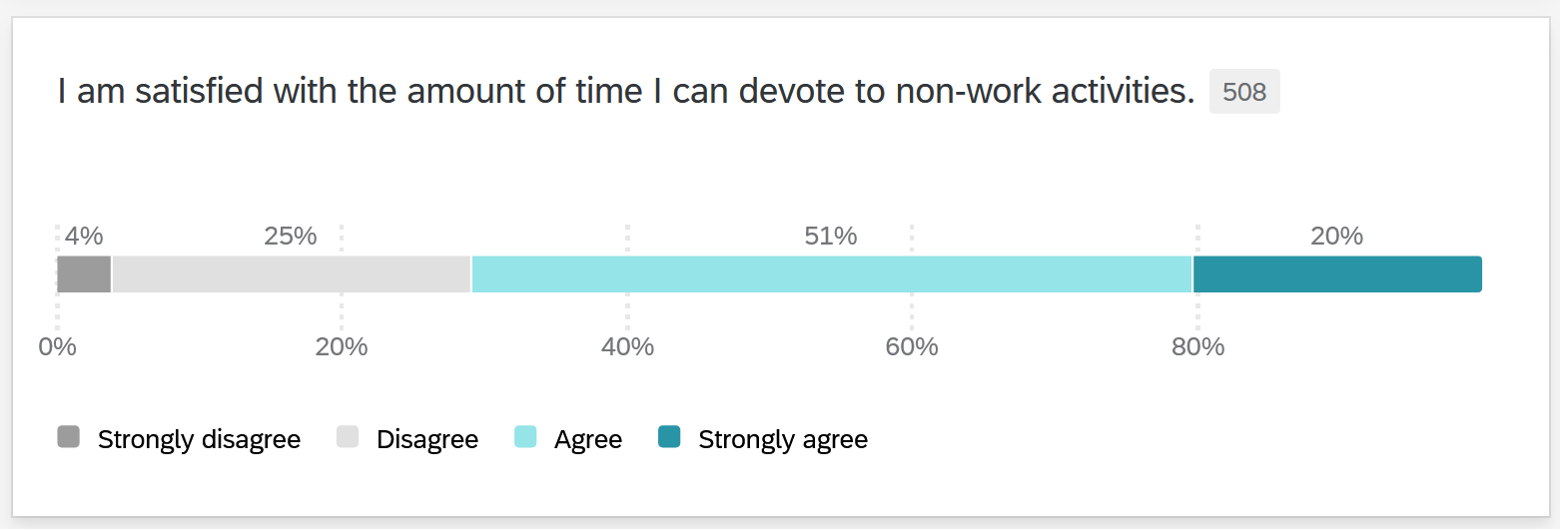
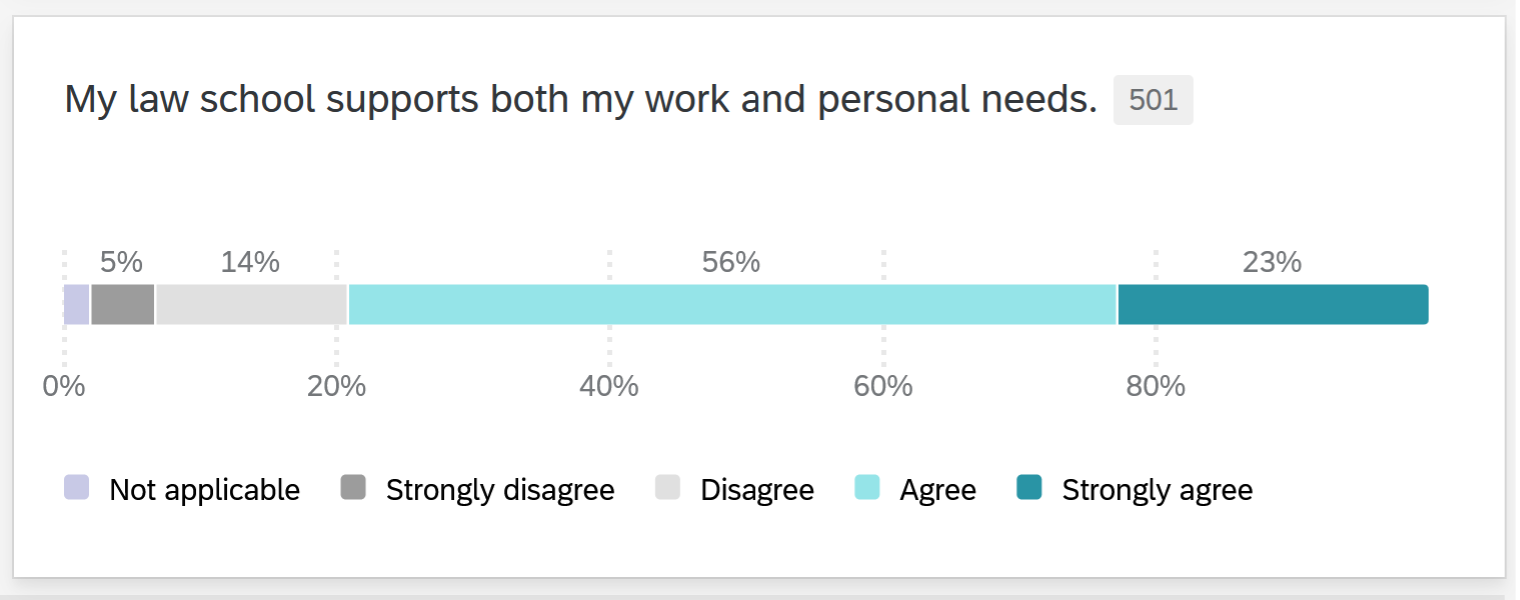
The vast majority of law faculty find the professional workload manageable, with adequate time available for personal interests. For instance, 84% of law professors nationwide agree that the “demands and workload” at their law school are manageable, including over one-quarter (27%) who strongly agree. Additionally, almost three-quarters of law faculty (71%) are “satisfied with the amount of time [they] can devote to non-work activities.” This does leave 29% of U.S. law professors who feel they have insufficient time after work duties are accomplished to pursue other obligations or interests. The survey goes one step further, also asking faculty whether they feel supported both personally and professionally by their institution. Here, over three-quarters (79%) of faculty believe their law school “supports both [their] work and personal needs,” which leaves 21% of faculty feeling unsupported in one or both endeavors. Overall, faculty are pleased with the workload in legal education, perhaps comparing it to the more intense demands of law firm life.
Advancement through Tenure/Contract Renewal
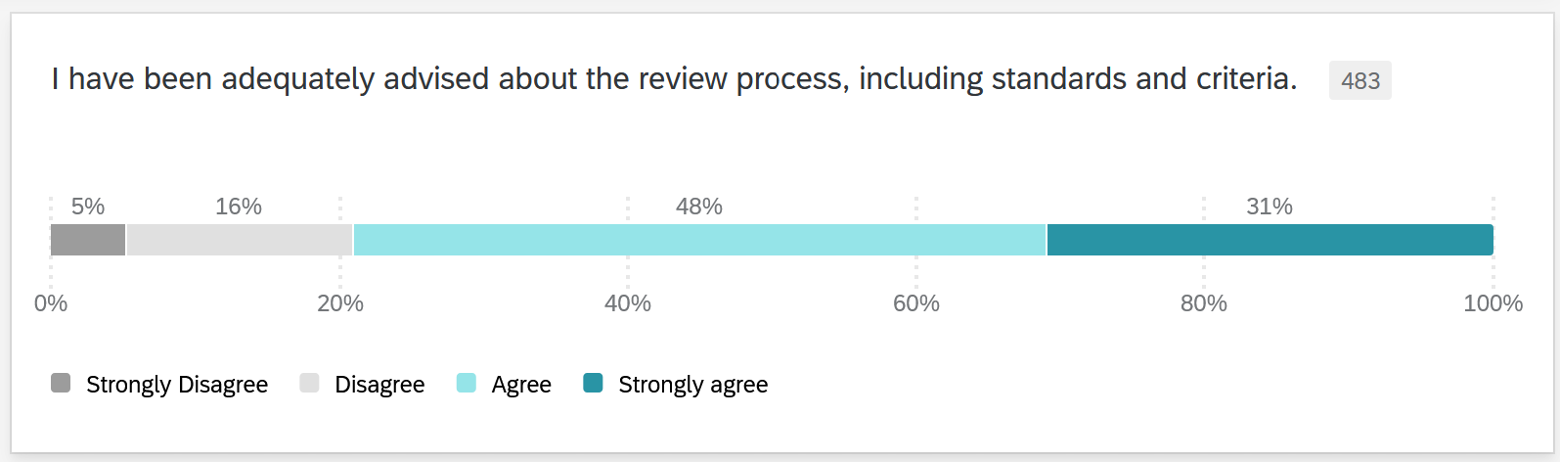
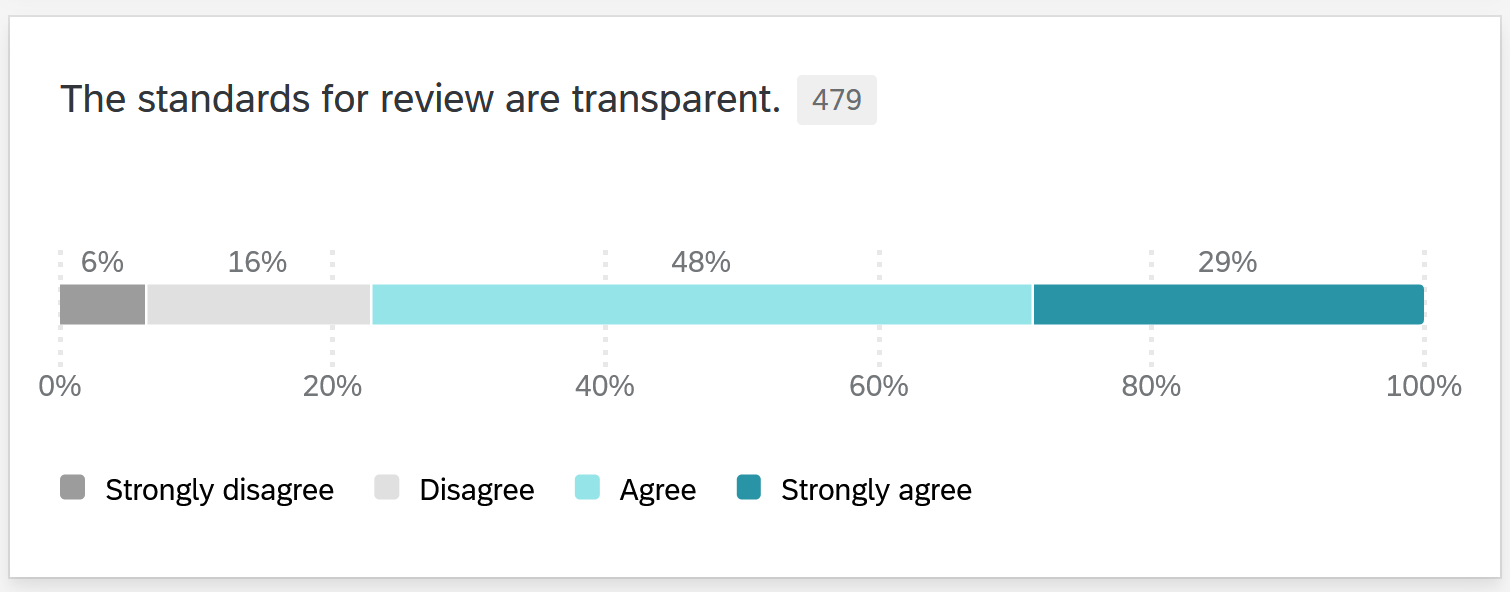
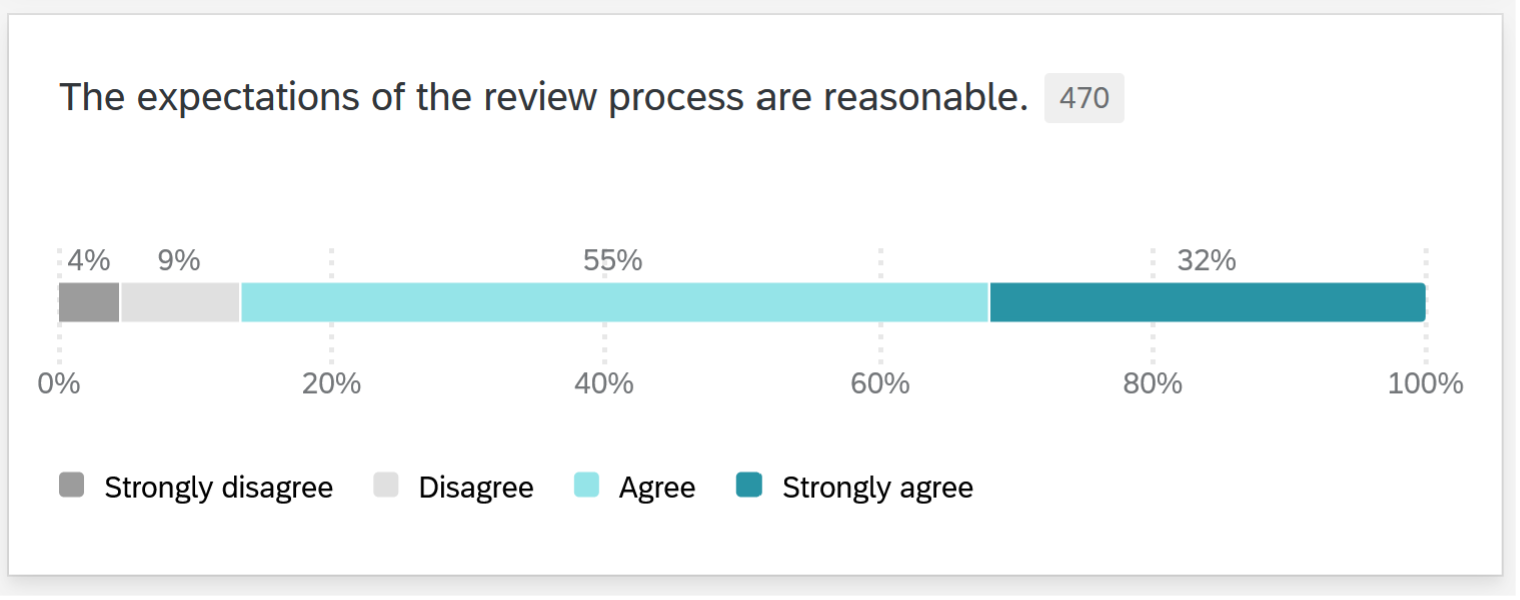
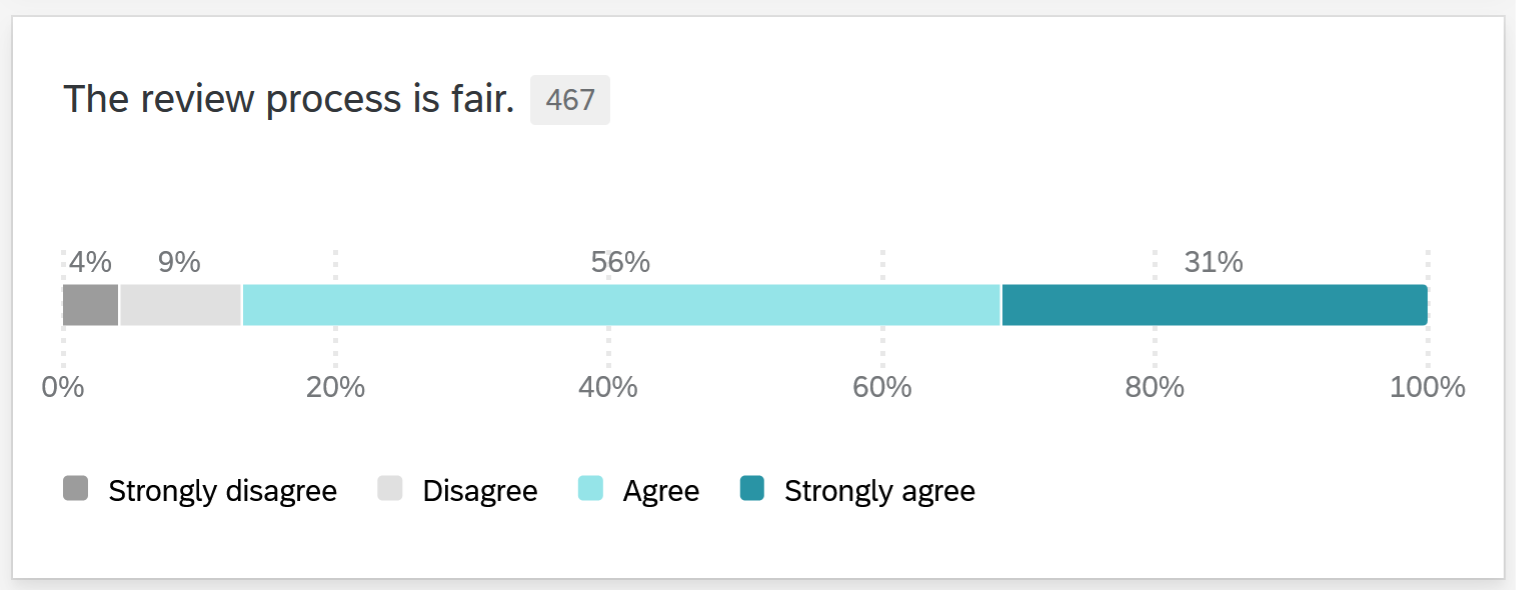
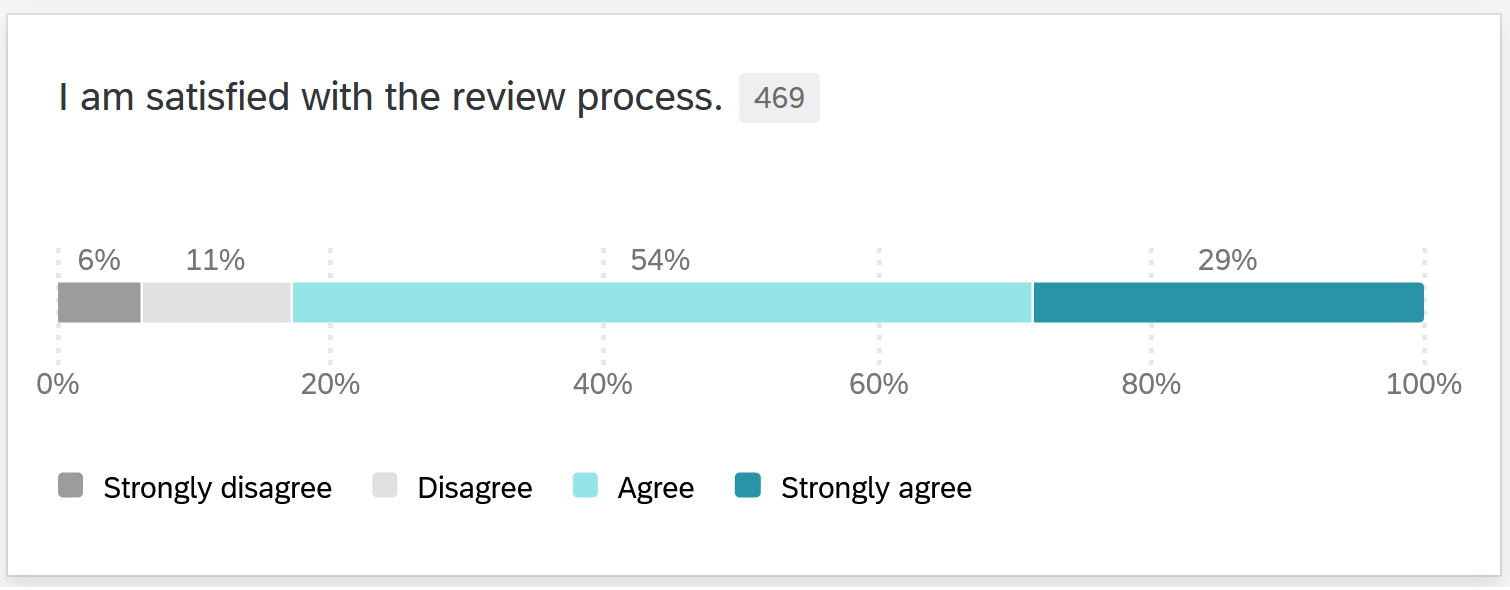
SELFS collects data from all full-time permanent faculty at participation institutions, whether they are tenured, tenure-track, or contract based. A series of questions on the survey asks faculty about the review process at their law school, whether for tenure, promotion, contract renewal, or other advancement. Faculty as a whole are quite pleased with their law school’s review process. First, most professors (79%) feel they have been “adequately advised” about the process. Furthermore, they tend to find that standards are transparent (79%) and the expectations are reasonable (87%). Finally, the vast majority of law professors agree that the review process is fair (87%) and they are satisfied with the review process overall (83%).
Satisfaction
It is perhaps no surprise given their encouraging responses regarding institutional support and the review process that faculty report high levels of overall satisfaction. One question on the SELFS survey asks professors, “How would you evaluate your entire work experience at your law school?” While 3% report it is “poor” and 9% say it is just “fair,” another 38% of faculty rate their overall satisfaction as “good,” while a full 50% rate it as “excellent.” Collectively, this means the vast majority—a full 88%—are satisfied with their experience as law professors.
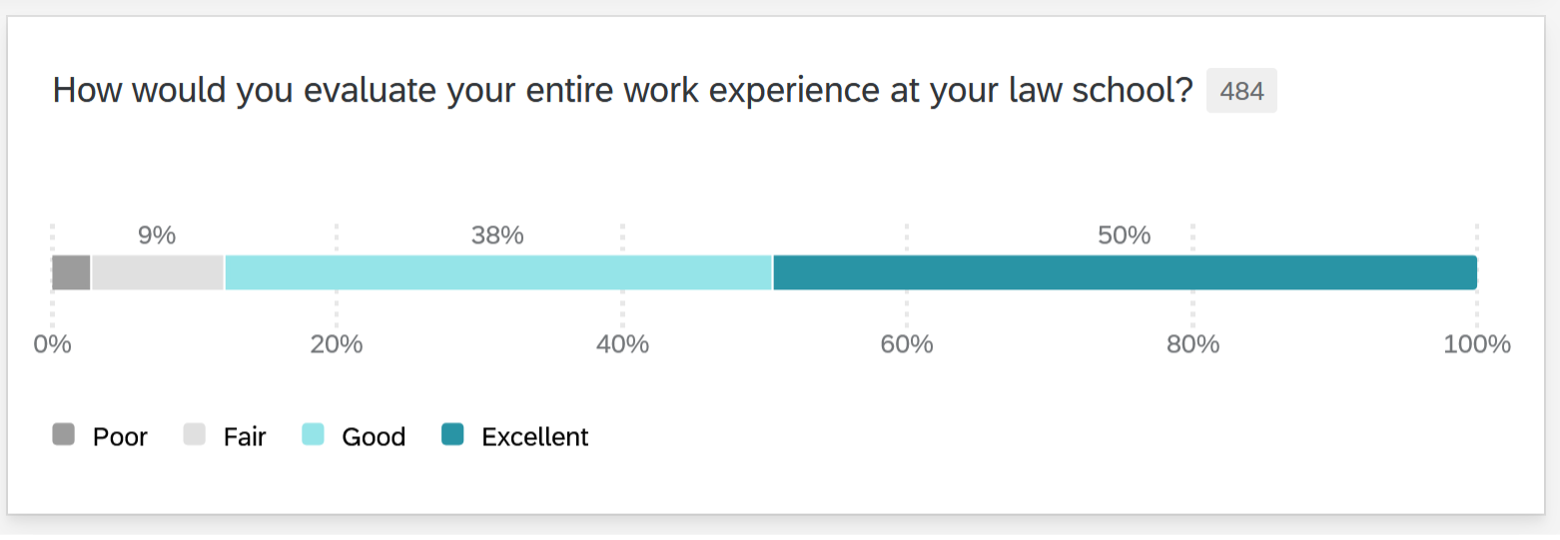
Together, SELFS data reveal that the majority of faculty are satisfied with their workload, the review process at their law school, and their overall work experience. This is information we did not have until now and clearly wonderful news about aggregate law faculty experiences nationwide. Still, the takeaway from this post should not be that everything is perfect, or even fair, or that all faculty are fully or equally enjoying their experiences. Other SELFS questions that were not included here cover potentially troubling questions of workplace discrimination and reasons faculty consider leaving law teaching. And disaggregating the data shared here by race, gender, disability status, sexual orientation, or other identity markers could reveal disparities showing differences in how women experience their workload (given extra demands on women both at work and at home) or how faculty of color perceive the review process (given other research on racial disparities with tenure and promotion). Some of these and other questions are covered in forthcoming scholarly publications.[1] Future research will delve more deeply into the SELFS data, sharing both aggregate data on other survey questions and disaggregated data to compare and contrast different groups. For now, we can be pleased that law faculty as a whole are enjoying their careers.
[1] Meera E. Deo, Women: The Backbone of the Legal Academy, 106 B.U. L. Rev. – (forthcoming 2026); Meera E. Deo, The Legal Academy: Past, Present, Future, 59 UC Davis L. Rev. – (forthcoming 2026).